
Leaving the Military: Finding Your Footing After Service
Most transition advice starts with the résumé. Translate your experience, build a network, land the job. All of that matters. It also covers only part of what changes when you take off the uniform.
For years, the military answered a lot of questions for you. Where to be and when. What to wear. Who you worked with and who you answered to. What the mission was. When those answers go away, many veterans end up with more freedom than they have had in decades and less direction than they expected.
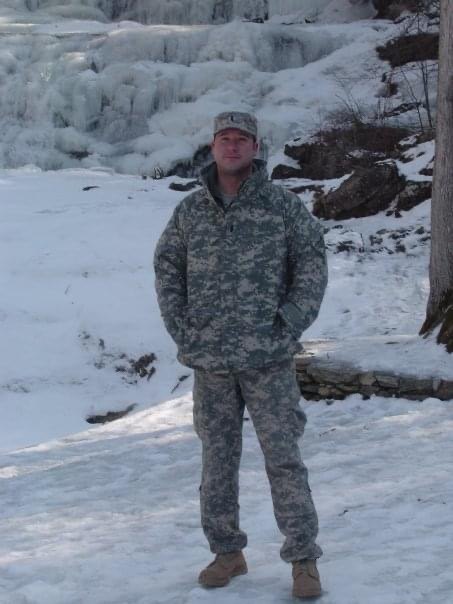
I served more than 10 years of active duty as a U.S. Navy Hospital Corpsman, including the Gulf War, and later as a medical officer with the Connecticut Air National Guard. Getting out was its own adjustment. So was everything that came after.
Identity does not come with your discharge papers
In the service, your role was clear to everyone, including you. Rank, rate, unit. People knew what you did by looking at you.
Civilian life does not hand that over. "So what do you do?" can be a surprisingly hard question when the honest answer is "I used to be in the military" or "I'm still figuring it out."
There is no need to settle this quickly. A better question is which parts of who you were in uniform you want to keep. Discipline. Steadiness under pressure. Looking out for the person next to you. None of that expires at separation.
Routine was holding up more than you realized
Early mornings, PT, formation, chow. Structure ran the day, and it did more than keep you on time. It kept your sleep regular, kept you moving, and kept you around people.
When it disappears, the slide is usually gradual. Later nights. Skipped workouts. Days that blur together. Nothing dramatic, which is exactly why it is easy to miss.
You do not have to rebuild the military schedule. A set wake-up time, regular physical training, and one daily commitment that involves another person will cover a lot of ground.
Purpose is harder to replace than a paycheck
The mission gave the work meaning. You knew why it mattered and who was counting on you. A civilian job can pay well and still feel thin by comparison.
That gap is common. It does not mean you chose the wrong job. Purpose can come from work, and it can also come from family, coaching a youth team, mentoring younger veterans, volunteering, or going back to school. Look at the whole week, not only the hours you get paid for.
The people around you are adjusting too
Military friendships form fast and under pressure. Civilian ones tend to form slower, around shared interests and a lot more small talk. It is easy to read that as people not getting it.
Some of them won't. Staying connected to people who served, through a veterans organization, a gym, or a group chat with your old unit, can carry you while new relationships take shape.
Home changes as well. A spouse or partner who ran the household through long stretches apart now has you there every night. Roles, routines, and expectations usually need to be worked out again, together.
Practical places to start
- Describe what you are good at in plain language, with no military terms. Ask someone who never served whether it makes sense to them.
- Pick a wake-up time and keep it for two weeks, weekends included.
- Put physical training back on the calendar, in whatever form you will actually do.
- Reach out to one person you served with this week.
- Notice which parts of your week leave you feeling useful, and do more of those.
Where coaching fits
Behavioral health coaching gives you a structured place to work through this transition: what you want the next chapter to look like, which habits from service are still helping, and which ones are getting in the way. It is practical and forward-looking, and you set the direction.
Coaching is not a replacement for VA care, therapy, or medical treatment. If sleep, mood, relationships, or getting through the day have become a real struggle, please reach out to the VA or a licensed professional.
If you would like to talk it through, start with a free 30-minute clarity call. Synergy also offers special rates for veterans and others who serve. Learn more about coaching for veterans.
Dr. Stephen Lee, DBH
Doctor of Behavioral Health with nearly 20 years of clinical experience in psychiatry, university educator & professor, and U.S. Navy veteran. Founder of Synergy Behavioral Health.
Related Articles
Coaching or Therapy? How to Know What You Need
They can look similar from the outside. Here is how the two differ, and how to choose.
Boundaries for Healthcare Professionals Who Give Everything
Why caring people struggle most with limits, and small ways to start.
The Patterns That Keep Us Stuck
Habits that once protected us can quietly hold us back. Learning to spot them.